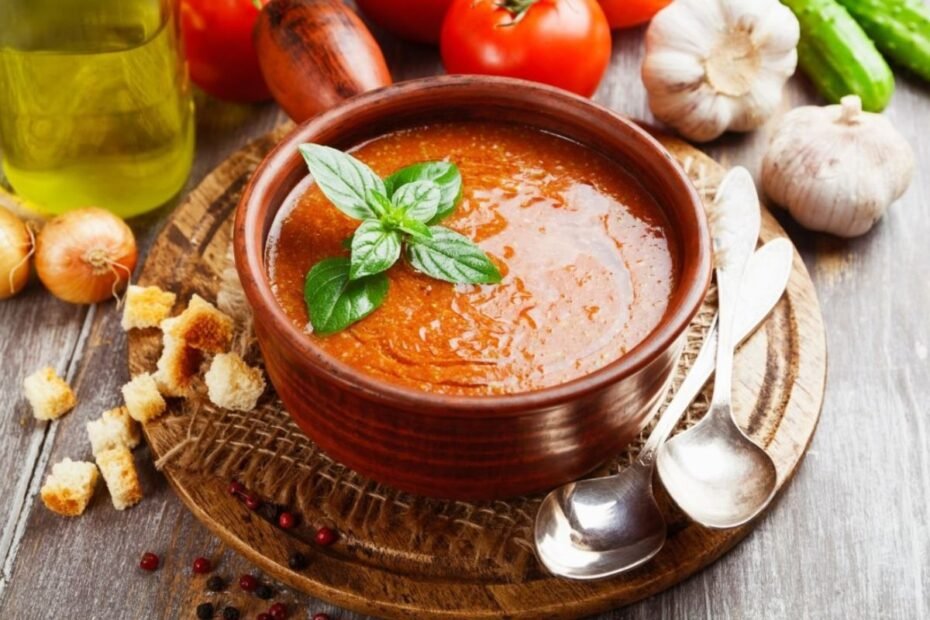
When summer temperatures soar, the last thing anyone wants is to spend hours in a hot kitchen or sit down to a steaming meal. That’s when one of the world’s most beloved summer dishes comes to the rescue: gazpacho. Bright, ice-cold, and wonderfully refreshing, this blended soup has become a staple of summer menus around the globe. But did you know that authentic, traditional gazpacho is about much more than simply blending ripe vegetables? It’s not just a liquid salad—it’s a dish with a rich history, where every spoonful tells the story of the sun, winds, and centuries-old traditions of southern Spain.
From Peasant Fare to a Culinary Icon
Today, gazpacho is associated with elegant Mediterranean restaurants and its signature vibrant red color, but its origins are far more humble. The soup was born in Andalusia, Spain’s southernmost region.
Interestingly, the earliest version of gazpacho didn’t contain tomatoes at all. Historians believe that a similar dish was introduced to the Iberian Peninsula by Roman soldiers or later by the Moors. It served as a simple meal for Andalusian farmers and shepherds, helping them cool down and restore their energy after long days of working under the blazing sun.
The original recipe consisted of stale bread, garlic, olive oil, vinegar, and water, all pounded together in a mortar. It was an ideal meal for working people: the bread provided substance, the olive oil supplied energy, and the vinegar and water helped keep the body hydrated.
Tomatoes and peppers weren’t added until much later, after these vegetables were brought from the Americas following Christopher Columbus’s voyages. The people of Andalusia quickly discovered that ripe, juicy tomatoes gave the bread mixture a perfect balance of sweetness, acidity, and freshness. That innovation gave birth to the bright red gazpacho we know and love today.
The Secret to Perfect Gazpacho: Quality Ingredients
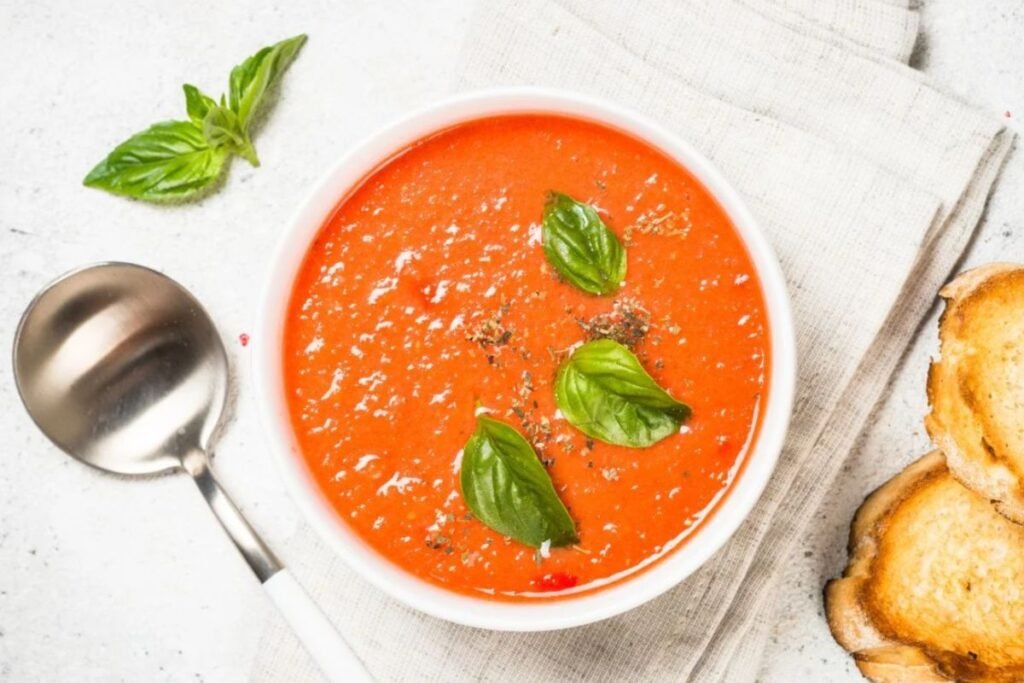
Although modern blenders can prepare gazpacho in just a few minutes, exceptional gazpacho starts with exceptional ingredients. Because the soup isn’t cooked, every flavor remains pure and vibrant, making ingredient quality essential.
The tomatoes should be fully ripe, soft, sweet, and bursting with flavor. Pale, underripe supermarket tomatoes simply won’t produce the same result. Equally important is a high-quality extra virgin olive oil, which brings all the flavors together while giving the soup its silky, creamy texture. A good wine vinegar provides the bright acidity that makes gazpacho so refreshing.
Authentic Andalusian Gazpacho Recipe (Serves 4)
This traditional recipe brings the true taste of southern Spain to your kitchen. The result is a silky-smooth, light, and wonderfully aromatic chilled soup.
Ingredients
- 1 kg (2.2 lb) ripe, meaty tomatoes (plum or beefsteak tomatoes work best)
- 1 small cucumber, peeled
- 50 g (about 2 oz) day-old white bread (such as a baguette or ciabatta), crusts removed
- 1 green bell pepper (traditional Spanish recipes use a long, light green pepper, but a regular green bell pepper works well)
- 1–2 garlic cloves, depending on taste (avoid using too much so the garlic doesn’t overpower the tomatoes)
- 50 ml (3½ tablespoons) high-quality extra virgin olive oil
- 2 tablespoons (30 ml) Sherry vinegar or red wine vinegar
- 1 teaspoon salt
- A splash of ice-cold water, if needed
Instructions
- Tear the bread into small pieces and place it in a bowl. Sprinkle with a little water and one tablespoon of the vinegar. Let it soak for several minutes until softened.
- Cut the tomatoes into large chunks. If they have particularly thick skins, you can blanch and peel them first, although a powerful blender will process them just fine.
- Roughly chop the cucumber and the green pepper, removing the pepper seeds.
- Place the tomatoes, cucumber, pepper, garlic, and the soaked, squeezed bread into a blender. Blend on high speed for several minutes until the mixture is completely smooth.
- Reduce the blender to a lower speed and slowly drizzle in the olive oil and the remaining vinegar. As the oil emulsifies, the soup will transform from bright red to a silky, slightly orange hue with a creamy consistency.
- Add the salt and taste. If you’d like a little more acidity, add another splash of vinegar. If the soup seems too thick, blend in a little ice-cold water until it reaches your preferred consistency.
Serving Gazpacho the Spanish Way
One of the biggest mistakes is serving gazpacho immediately after blending. For the best flavor, it should chill in the refrigerator for at least 2 hours, though overnight is even better. The resting time allows the flavors to fully develop and transforms the soup into a truly refreshing summer dish.
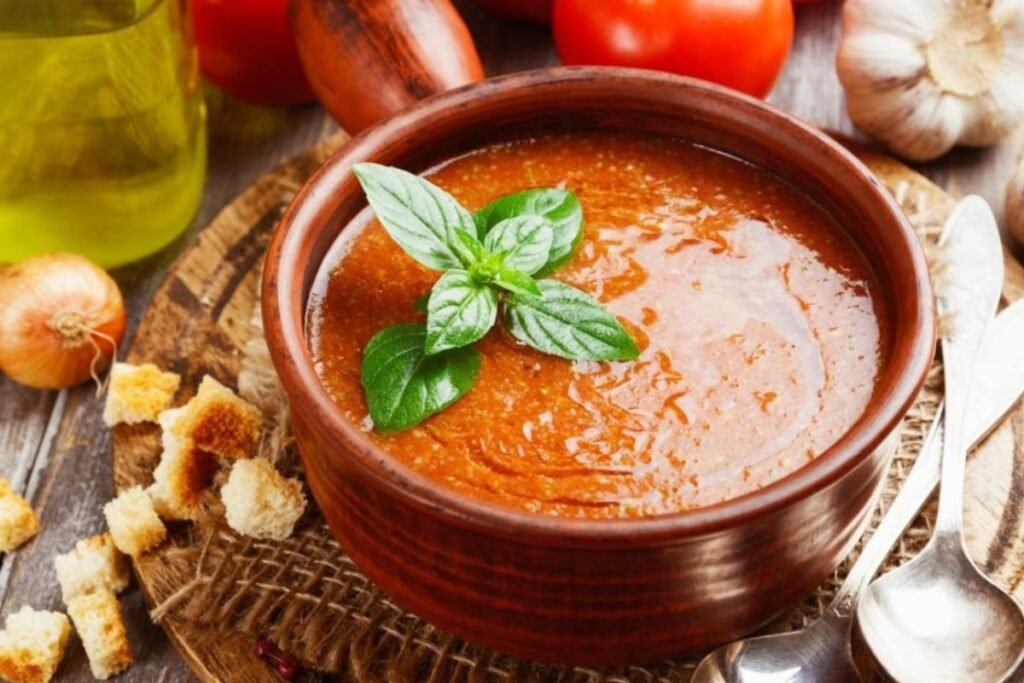
In Andalusia, gazpacho is often served very simply—poured into glasses and enjoyed as a refreshing drink alongside lunch. If you prefer to serve it in bowls as a light meal, offer an assortment of toppings, known in Spain as tropezones.
Small bowls of finely diced cucumber, chopped green pepper, crunchy croutons, and chopped hard-boiled egg allow everyone to customize their serving and add extra texture to the silky soup. Finish each bowl with a generous drizzle of extra virgin olive oil, and you’ll have a dish that’s the perfect celebration of summer.