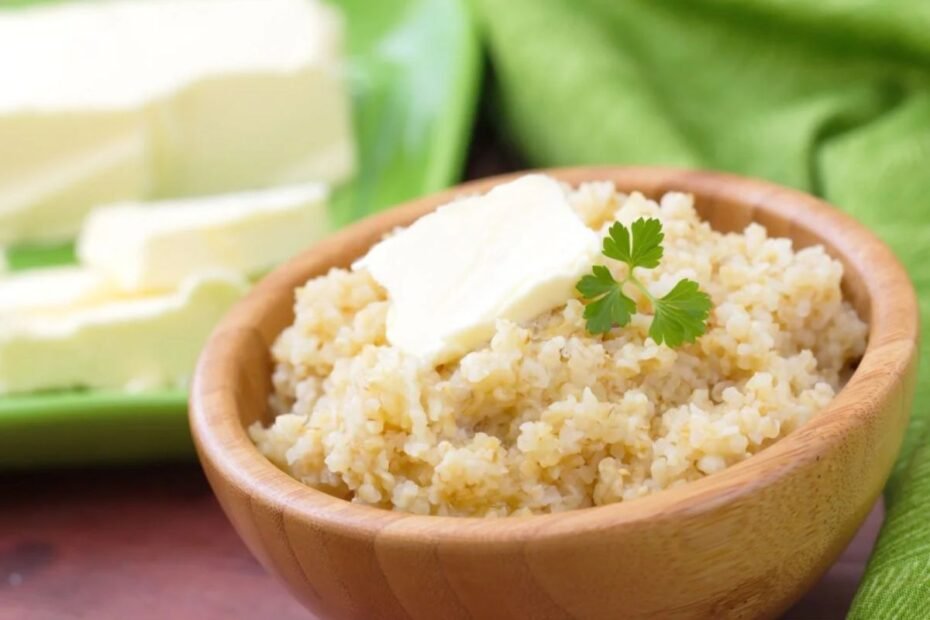
Looking for an affordable, wholesome and versatile meal? Wheat groats porridge, made from cracked wheat grains used for porridge, might be just what you need. Although wheat groats are often overlooked in favour of more familiar options such as oats, rice, couscous or bulgur, this traditional dish deserves a place in any modern kitchen.
Wheat groats have been enjoyed in traditional cuisines for generations. With their pleasantly nutty flavour and satisfying texture, they can be used in a variety of dishes, from sweet breakfast porridge to savoury lunches and dinners. Easy to prepare and adaptable to different tastes, they are a practical choice for anyone looking to add more variety to their everyday meals.
What Are Wheat Groats, and Why Include Them in Your Diet?
Wheat groats are made from wheat grains that have been crushed into smaller pieces. Depending on how they are processed, they may retain varying amounts of the bran and germ, which contain valuable nutrients.
Wheat groats provide carbohydrates for energy, as well as plant-based protein, fibre and important minerals, including magnesium, phosphorus, iron and potassium. Wholegrain varieties can be particularly beneficial because they retain more of the grain’s natural fibre and nutrients. Fibre supports healthy digestion and can help you feel fuller for longer, while complex carbohydrates provide an important source of energy throughout the day. Wheat groats can therefore be a useful addition to a balanced diet, whether you enjoy them before a busy day at work or as part of a satisfying meal after exercise.
One of their greatest advantages is versatility. Depending on how they are prepared, wheat groats can be creamy or fluffy, sweet or savoury, and paired with everything from fresh fruit to roasted vegetables.
How to Cook Perfect Wheat Groats Porridge
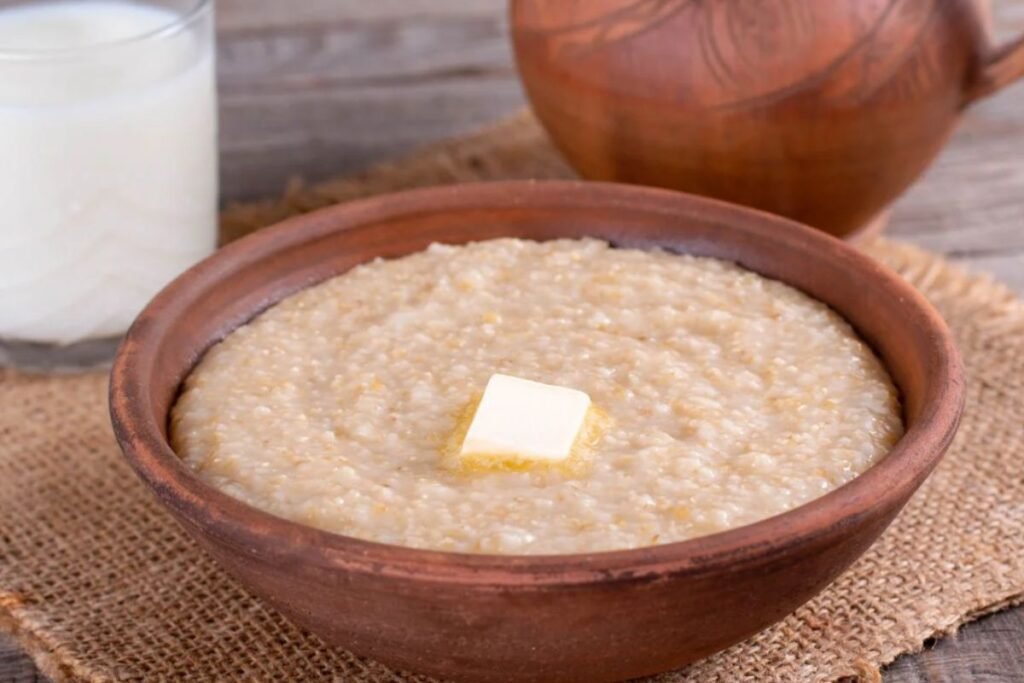
Wheat groats porridge is simple to make, but the texture depends on the type of groats you use, the amount of liquid and the cooking time. If the porridge turns out too firm or sticky, a few adjustments can make all the difference.
The basic ratio: start with one part wheat groats to three parts liquid. Water works well for a savoury porridge, while milk or a mixture of milk and water creates a creamier result. If you prefer a thinner consistency, add more liquid as needed. Keep in mind that different varieties of wheat groats may require different amounts of liquid and different cooking times, so it is worth checking the instructions on the packaging.
Method:
- Rinse the groats. Place them in a fine-mesh sieve and rinse under cold running water to remove any dust or loose particles.
- Bring the liquid to the boil. Pour the water into a saucepan and add a pinch of salt. Once it starts boiling, stir in the wheat groats.
- Simmer gently. Reduce the heat to low, cover the saucepan and cook for approximately 15–20 minutes, or according to the packet instructions. Stir occasionally and add a little more water if needed.
- Let the porridge rest. Once the groats are tender and most of the liquid has been absorbed, remove the saucepan from the heat. Stir in a small knob of butter, cover and leave to stand for 5–10 minutes.
- Fluff and serve. Gently stir the porridge with a fork or spoon before serving. Adjust the consistency with a splash of warm milk or water if necessary.
Tip: For extra flavour, lightly toast the dry groats in a little butter or oil before adding the liquid. This brings out their natural nutty notes.
Sweet Wheat Groats Porridge for Breakfast
Wheat groats porridge is a delicious alternative to traditional porridge oats. Its mild, slightly nutty flavour works particularly well with fruit, spices and creamy toppings. For a richer breakfast, cook the groats in milk or a plant-based alternative, such as oat or almond drink. Add a pinch of cinnamon or vanilla for extra flavour.
One particularly delicious combination is wheat groats porridge topped with warm apples and cinnamon. Simply slice an apple, sauté it in a pan with a little butter and honey until tender, then spoon it over the cooked porridge.
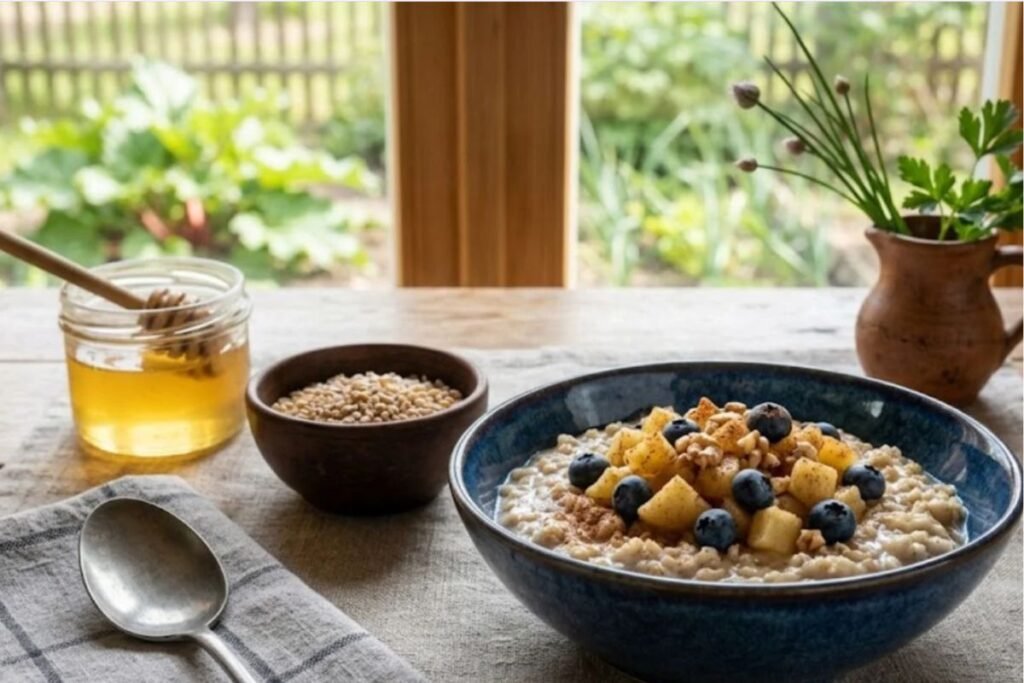
You can also experiment with other toppings, including:
- Fresh berries and yoghurt for a refreshing, colourful breakfast.
- Dried apricots, raisins or cranberries for natural sweetness.
- Banana and nut butter for a creamy, satisfying combination.
- Nuts and seeds for extra texture and nutrients.
- A drizzle of honey or maple syrup if you prefer a sweeter taste.
These combinations make it easy to adapt your breakfast to your preferences and whatever ingredients you have available.
Savoury Wheat Groats Porridge: A Versatile Side Dish
Wheat groats porridge is not just for breakfast. Its hearty texture makes it an excellent alternative to rice, potatoes or other grain-based side dishes at lunch or dinner. For a more savoury flavour, cook the groats in vegetable stock instead of water. You can then serve them with roasted vegetables, grilled mushrooms, legumes or your favourite protein.
For a traditional, comforting combination, try wheat groats with sautéed onions and smoked bacon. If you prefer a lighter, vegetable-based option, stir roasted pumpkin and courgettes into the cooked groats, add a little grated hard cheese and finish with fresh thyme. This combination has some of the comforting qualities of an Italian risotto, but the wheat groats retain a more substantial, pleasantly grainy texture.
A Simple Grain with Endless Possibilities
Wheat groats are an affordable, adaptable and satisfying ingredient that can easily become part of your everyday cooking routine. They work just as well in a sweet breakfast bowl as they do in a savoury dinner, making them a practical option for a wide range of tastes and eating habits. Wheat groats porridge offers a simple way to bring variety to your meals.